Barndominium Builders in Grant County, Washington
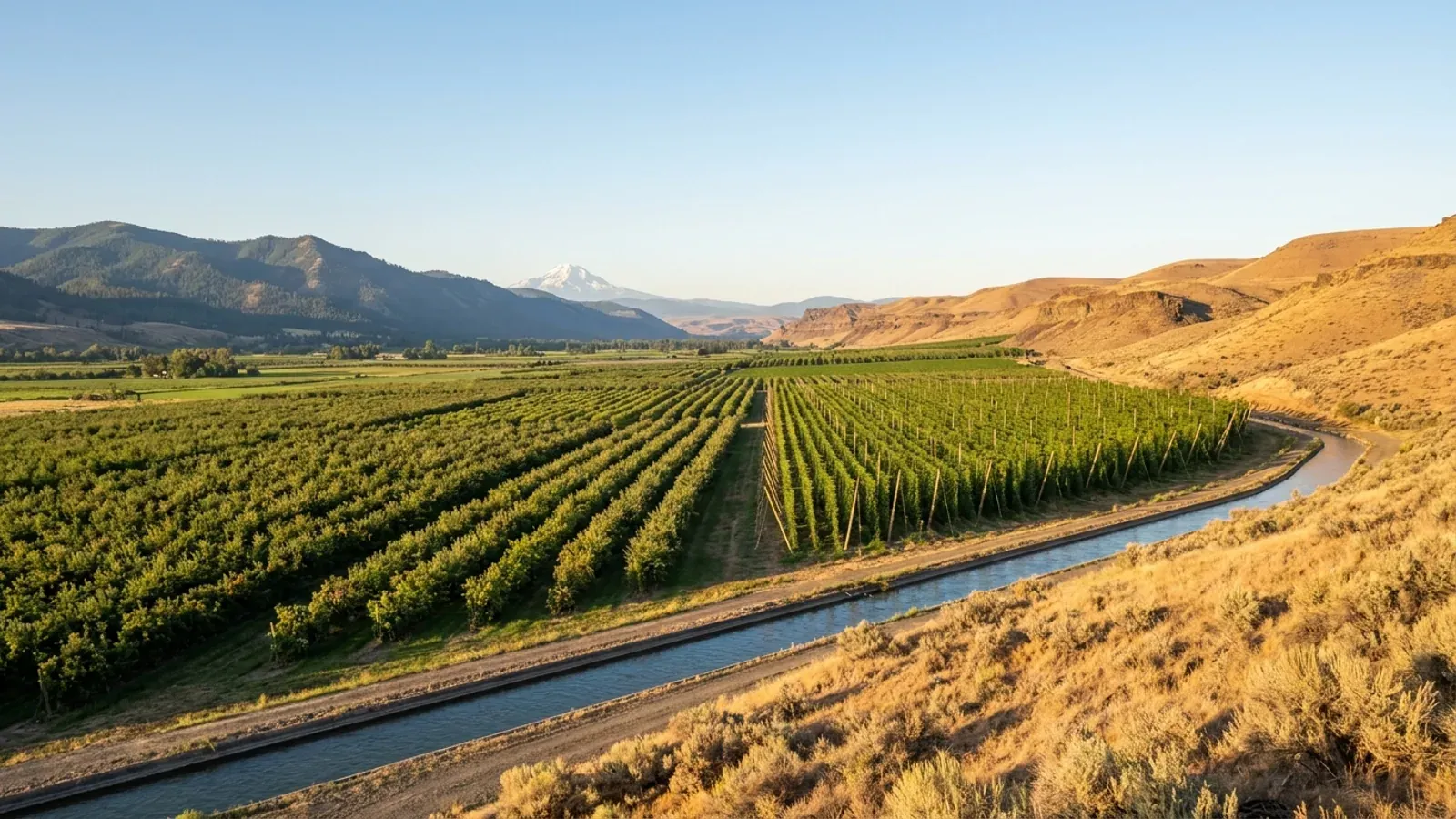
Grant County is Columbia Basin country: irrigated circles and orchards on the project lands, dry wheat and range ground on the rest, and room for a barndominium with a real equipment bay almost anywhere outside the towns. On unincorporated land, Grant County Development Services issues the building permit and applies the county's Unified Development Code, while Moses Lake, Ephrata, Quincy and the other cities run their own permit counters. Rural zoning here is measured in acres per house, from a dwelling per five acres in Rural Residential 1 to one per forty on agricultural and resource land. We build across the county. Barndominium kits work well for farm families who want to raise the frame with their own help; a custom plan lays out the machine shop, the living quarters and the wind-facing doors; and site preparation handles the pad, the drive and the trench for well and septic lines. A pole barn home or a clear-span steel shell both suit the open ground, built to the county's published snow and wind loads. Send us the parcel number and we will confirm the zone, the septic path and the water source before anything is drawn.
Grant County at a glance
- County
- Grant County
- Building permit
- County building department
- Land use
- County rural and resource zoning
- Wastewater
- Septic permit from the health jurisdiction
- Water
- Private well
Barndominium Builders Near Grant County
From a turnkey build to a shell you finish yourself, the work starts with the parcel: the access, the building pad, the route to sewer or septic, and the water source. The parcel decides the budget more than the floor area does, so each option is priced against your land rather than a rate card.
Turnkey Builds
Turnkey barndominiums in Washington State: one team from land and permits to the finished, inspected house, with water, septic and energy code planned in.
Custom Plans
Custom barndominium plans for Washington State: floor plans and permit drawings with the energy code credits and your site's design values built in.
Site Preparation
Barndominium site preparation in Washington State: clearing, grading, drainage and pads, planned around the well, septic area, wetlands and the climate.
Permitting
Barndominium permits in Washington State: city or county building permit, water supply evidence, septic permit, energy code credits and rural zoning.
Barndominium Kits and Pole Barn Homes in Grant County
A kit suits an owner who wants to raise the shell with their own crew. A pole barn home sets its frame on posts and trusses (the engineering term is post-frame construction) and suits a wide, simple layout with a shop bay under the same roof; a metal building home uses a bolted steel frame. Which one fits your parcel comes down to the zoning, the site and the design values the local building office publishes, covered below.
Barndominium Kits
Barndominium kits and shell kits for Washington State land: frame, panels and drawings, sized to the design values your city or county sets for the site.
Pole Barn Homes
Pole barn homes and pole barn house kits for Washington State: post-frame buildings with a shop and living space, designed to your county's snow load.
Metal Homes
Metal building homes in Washington State: steel-clad houses finished to the state energy code, with the insulation and condensation details done right.
Building a Barndominium in Grant County: Permits, Zoning, Septic and Water
On rural land the zoning, septic and water answers often come before the building answer. Here is who decides each part in Grant County, taken from the office or document that publishes it. Rules change, so check them again against your parcel before anything is drawn.
Grant County Development Services, Building Division
For unincorporated land, the Building Division of Grant County Development Services reviews construction documents, issues permits and inspects each phase of the work. Moses Lake, Ephrata, Quincy and the county's other incorporated towns keep their own permit counters. The division has reviewed residential submittals against the 2021 Washington codes, energy code included, since March 15, 2024.
Source: Building, Grant County Development Services (grantcountywa.gov)
Grant County Development Services, Planning
The county's zoning chapter sets maximum rural densities by district: one dwelling per 5 acres in Rural Residential 1 (RR1), one per 20 acres in Rural Remote, and one per 40 acres in the Agriculture (AG) and Rural Resource districts. Development within 500 feet of AG land requires a signed acknowledgment of nearby farming activity.
Source: Chapter 23.04 Zoning Districts, Grant County Unified Development Code (grantcountywa.gov)
Grant County Health District
The Grant County Health District issues septic permits and inspects installations, but for land under county authority it will not take a new septic application until a Grant County building permit has been applied for. The building site plan must show the tank, lines, drainfield and reserve area.
Source: On-Site Septic Systems, Grant County Health District (granthealth.org)
Grant County Health District; Department of Ecology for well construction
Most rural homes use an individual well, which the health district treats as a private system when it serves one or two homes. A shared well carries extra requirements, and three to nine connections make a Group B public water system under the district's ordinance. Ecology licenses drillers. The building permit still needs evidence of an adequate water supply, in most areas a water well report.
Source: Wells and Public Water Systems, Grant County Health District (granthealth.org)
- County design criteria
- Grant County's published design criteria list a 30 psf ground snow load with a 20 psf roof live load, an 18-inch frost line depth, a 110 mph ultimate wind speed and seismic design category C for IRC buildings, and state that ice shield underlayment is not required.
- Agricultural land and the Basin project
- Grant County's Agricultural (AG) district is made up mainly of highly productive soils suited to crop agriculture, livestock, existing public irrigation facilities and possible future expansion of the Columbia Basin Irrigation Project, and farming is the zone's primary use (section 23.04.560, December 2024 amendments).
Source: Handouts & Design Criteria, Grant County (grantcountywa.gov)
Source: Chapter 23.04 Zoning Districts, Grant County Unified Development Code (grantcountywa.gov)
Building on land near Grant County
The zone decides how much ground a house needs, so read the density before the price: five acres per dwelling in RR1 and forty on Agriculture land. A parcel next to AG ground comes with a signed acknowledgment that the county will not treat the ordinary inconveniences of farming nearby as a nuisance, and new homes there may be given a buffer of at least 100 feet. Apply for the building permit before the septic permit, since the health district waits for it. Footings go at least 18 inches deep. Shared wells take extra paperwork, so a well per house keeps it simpler. For city lots with water and sewer at the curb, see our Moses Lake page, and for the far bank of the Columbia, Douglas County.
Other places in this part of Washington
Yakima, Wenatchee & Central Washington
Have land in or near Grant County? Tell us about the parcel and what you want on it, and we will check it against the local rules before anything is drawn.
Building in Grant County: questions
Start the surveyHow much does it cost to build a barndominium in Grant County?
Do I need a building permit for a barndominium in Grant County?
How many acres do I need for a barndominium in rural Grant County?
Keep reading
What usually comes next once you know what Grant County allows.
Barndominium Cost Guide
Sourced per-square-foot ranges by tier and size, and what moves the number on your land.
Read itIs a Barndominium Legal in Washington?
Zoning, rural land, septic, water and who inspects, before you buy the land.
Read itHow Long Does It Take?
From parcel to move-in, and which steps set the clock.
Read itSources for this page
The published pages behind the Grant County facts above. Rules change, so check the current version with the office before you rely on it.
- Building, Grant County Development ServicesBuilding permit authoritygrantcountywa.gov
- Chapter 23.04 Zoning Districts, Grant County Unified Development CodeLand use and zoning; Agricultural land and the Basin projectgrantcountywa.gov
- On-Site Septic Systems, Grant County Health DistrictSewer or septicgranthealth.org
- Wells and Public Water Systems, Grant County Health DistrictWater supplygranthealth.org
- Handouts & Design Criteria, Grant CountyCounty design criteriagrantcountywa.gov
Other places near Grant County
Nearby places with their own pages. Across a city limit or a county line the permit office, the zoning, the septic program and the water rules can change, so each is covered separately.
Building in Grant County?
Start with the survey. Tell us where the land is and what you want on it, and we will come back with which offices decide it, what the zoning allows, and a plan to fit.